
Introduction
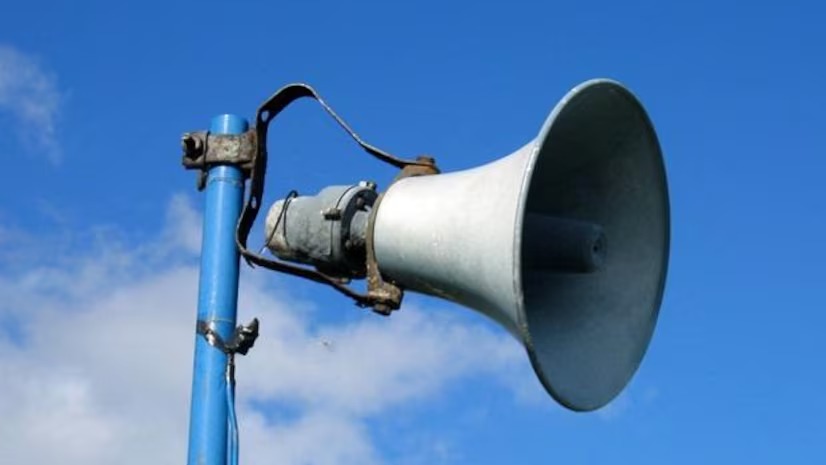
One of the most growing concerns in the environment is the noise pollution which harms human health. There are many religious activities which are a source of noise pollution and affect people in a silent manner. Vibration in simple words is what we can hear, while noise is classified as a sound which is harmful. Loudspeakers and microphone have boosted the freedom of speech. However, this is often misused and leads to noise pollution and also disturbs the people around.
Legal and constitutional framework on right to religion and noise pollution in India
Right to religion
In India, the right to religion is a fundamental right. This right is enshrined under Article 25, Article 26, Article 27 and Article 28. The right to religious freedom guarantees the liberty to choose, profess and practice any religion to the individuals. This also includes the right to change their beliefs when they want. The citizens are allowed to administer their religion independently. Despite this right upholding equality among all religions and preventing the promotion of one specific religion by the State, there are many reasonable restrictions in the interest of morality, public order and health.
Noise pollution and right to religion
The Indian Constitution ensures the right to religious freedom under Article 25 along with Article 26. However, this right is not absolute in nature. There are some reasonable restrictions for this right especially when it comes to public health. There are many religious activities like loud music, bhajans, drums in temples, bells in the churches, Azan in mosques often exceed the limits of noise standards. There are many festivals like Christmas, Durga Puja and Ganesh Chaturthi where there is a usage of loudspeakers which often exceed the noise limits and impact public health and also disturb the residential places in the neighbourhood.
Time and again the courts have acknowledged that the right to life is often infringed under the curtain of religious expression. There are many judicial rulings which state that environmental laws cannot override religious freedom. The Noise Pollution (Regulation and Control) Rules, 2000 states permissible levels of noise in various zones.
In many cases the courts have given some permitted limits to use loudspeakers in religious events however, the courts have upheld that there is a need for some specific legislations. The past ruling emphasizes that there is a need to maintain a balance between the rights of the citizens and religious rights in order to have a peaceful and healthy environment.
Views of Indian judiciary on right to religion and noise pollution in India
In Church of God (Full Gospel) in India vs. K.K.R. Majestic Colony Welfare Association (2000), the Supreme Court answered the question on whether beating drums and reciting the prayers using amplifiers is allowed, it was categorically stated that all the individual rights must exist in peace with other individuals. The enjoyment of rights must be consistent with rights of others as well. The court further stated that there is no requirement in a religion where performing prayers using amplifiers or by drum beating is necessary or mandatory. If there is such a practice then it should be carried out ensuring no adverse effect if done to the right of other people. It should not disturb their other rights.
It was observed by the Madras High Court that freedom of religion is guaranteed under the Constitution. This right cannot be interfered with. As per the guidelines given by the Apex Court related to sound systems which are being used by mosques for prayer calls. It is an offence to play music, beat the drums, usage of sound amplifiers, blowing trumpet or horns under the Noise Pollution (Regulation and Control) Rules, 2000 and the Environmental Protection Act, 1986 and is also penalised.
In the case of Jaago Nehru Nagar Residents Welfare Association vs. The Commissioner Of Police And Ors (2025) the High Court of Bombay gave an important ruling addressing the issue of noise pollution which happened due to loudspeakers at religious places. The High Court stated that the use of loudspeakers is not important during religious practises and highlighted that peace and public health should also be given importance. The court criticized the inaction of the police, noted that there were many violations of the noise laws and advised to take strict actions related to it which also included decibel limits. The judgement was based on the Dr. Mahesh Vijay Bedekar vs The Union Of India And Ors (2017) where it was reinforced that people cannot cause trouble using religious freedom as an excuse.
Conclusion
We can conclude that the right to practice faith by an individual is essential, however it should not infringe the comfort and wellness of the public or it should also not create any damage to the environment. With morden times, the religious practices have also evolved and it is crucial to introduce some legislation which are specific in nature when it comes to noise pollution and freedom in practising one’s own religion. There should be laws which strike a balance between giving freedom to religious practices and making sure that both the society and environment are not damaged. There should be mutual respect for both the aspects.
Frequently Asked Questions (FAQs)
What is the Indian law against noise pollution?
The standard for noise pollution in the residential zones is between 55dB from 6:00 am to 10:00 PM and 45 dB from 10:00 PM to 6:00 AM.
Is it allowed to use amplifiers or loudspeakers in a residential zone?
You can use amplifiers and loudspeakers anytime between 6 in the morning to 10 in the night.
Where can I complain about noise pollution in India?
You can complain about the noise pollution to the local police in India.

